
When you spend long days out on the water, your boat’s seats face constant exposure to sun, salt, and moisture. That’s why choosing the right boat seat cover material isn’t just about appearance it’s about protection, longevity, and comfort.
The right material will help prevent cracking, fading, and mold, keeping your seats looking new season after season. Let’s explore what makes a truly marine-grade seat cover worth investing in.
Why Material Choice Matters
Boat upholstery endures some of the toughest outdoor conditions. Between UV rays, sea spray, and temperature changes, ordinary fabrics simply don’t last.
Good boat seat cover material protects against:
- Sun damage, which causes colors to fade and vinyl to crack.
- Moisture buildup, leading to mildew or unpleasant odors.
- Salt and grime, which wear down the surface over time.
Choosing a high-quality fabric ensures that your investment in comfort and aesthetics doesn’t wash away with the next wave.
The Most Popular Boat Seat Cover Materials
Not all fabrics are created equal. Each comes with distinct strengths depending on how and where you use your boat.
1. Marine Vinyl
The most common and reliable choice. Marine vinyl is waterproof, UV-resistant, and easy to clean. It also comes in many textures and colors, making it both durable and stylish.
2. Sunbrella Fabric
A woven acrylic material known for its fade-resistant properties. It’s softer than vinyl and perfect for boat interiors or shaded areas. However, it’s not entirely waterproof it repels water but can soak if left exposed for long periods.
3. Polyester Blends
Lightweight and affordable, polyester options are often coated with polyurethane for added resistance. They’re a practical pick for boat covers and occasional use seats.
4. Leather (Premium Option)
While natural leather adds luxury, it’s not ideal for marine environments unless treated properly. Synthetic leathers are a better alternative for long-term durability.
How to Choose the Best Fit for Your Boat
When comparing materials, think about how your boat is used. Do you often cruise in hot, sunny conditions? Or is your vessel docked most of the time under cover?
Here are some quick guidelines:
- For open boats: Stick with UV-resistant marine vinyl or coated polyester.
- For cabin areas: Use softer fabrics like Sunbrella or synthetic leather.
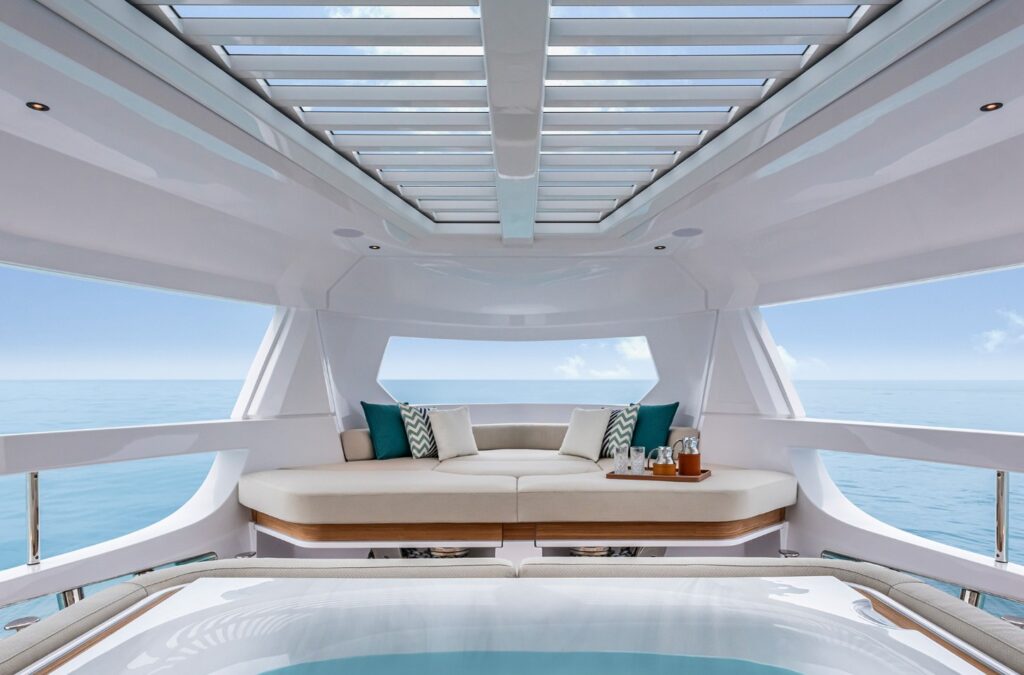
- For high-end yachts: Opt for a mix durable vinyl outside, luxury fabric inside.
The right boat seat cover material depends not only on durability but also on how it feels and looks on board.
Tips to Keep Your Boat Seats in Perfect Shape
Even the best material won’t last forever without care. Regular maintenance can extend the life of your upholstery dramatically.
Simple habits that make a difference:
- Wipe seats dry after each use.
- Clean monthly with mild soap and water (no harsh chemicals).
- Use breathable covers when the boat is docked.
- Avoid sharp objects or sunscreen stains on vinyl.
Small routines like these keep seats fresh, bright, and free from mildew.
When to Replace or Upgrade Your Covers
If your seats feel sticky, start cracking, or lose color, it might be time for a refresh. Newer marine fabrics are far more advanced than older ones many include antimicrobial coatings and better UV protection.
Replacing outdated material can instantly modernize your boat’s interior and improve comfort on every ride. Think of it as both an upgrade and protection for your investment.
The Future of Marine Fabrics
Today’s manufacturers are creating sustainable and high-performance options that blend luxury with environmental responsibility. Expect to see more recycled fibers, eco-friendly coatings, and fabrics designed for minimal maintenance.
As boating lifestyles evolve, so does the technology behind the perfect boat seat cover material making each voyage more comfortable and worry-free.
Conclusion
Choosing the right material for your boat seats isn’t just a cosmetic choice it’s about preserving your comfort and your vessel’s value. Whether you go for tough marine vinyl, breathable acrylics, or modern eco-fabrics, investing in quality now saves you time and repairs later.
A well-chosen, well-cared-for seat cover means smoother sailing for seasons to come.

