
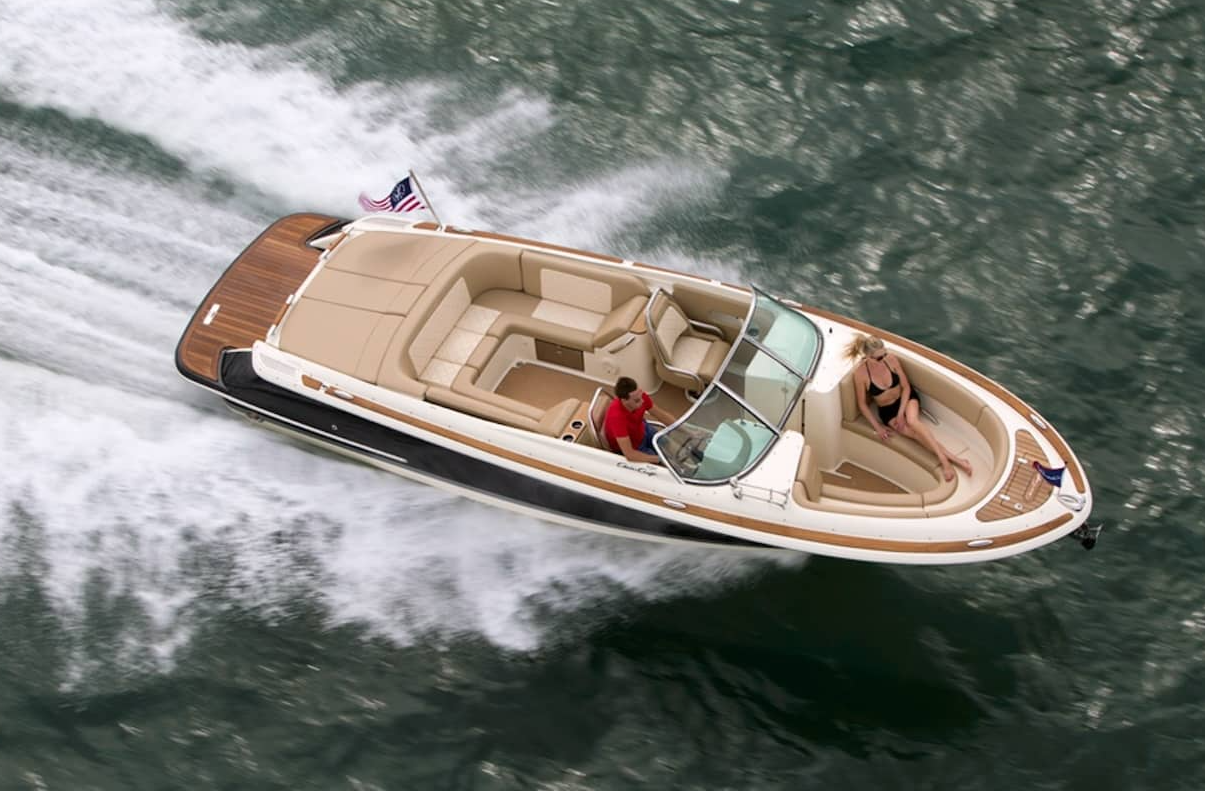
An upholstery boat seat can have a surprisingly strong influence on the way a vessel looks and feels. Seats are among the most frequently used parts of a boat interior, so they experience constant pressure, sunlight, moisture, and contact with passengers. Over time, even high-quality marine seating can show signs of aging. A thoughtful restoration can address visible wear while also improving comfort and protecting the interior from further damage. If you are planning a professional upgrade, you can explore marine upholstery services here from Boat Upholstery Broward, a company specializing in upholstery for boats and yachts.
Start by Understanding the Condition of the Seating
Before choosing new colors or materials, owners should evaluate the current condition of their seats.
A quick visual inspection may reveal obvious cracks or fading, but some problems remain hidden beneath the surface. Foam can lose its density, moisture can become trapped inside cushions, and stitching can weaken after years of repeated use.
Look for:
- Cracked or peeling surfaces
- Loose stitching
- Flattened cushions
- Uneven foam
- Discoloration
- Damp areas
- Persistent odors
Finding these issues early can help owners determine whether individual repairs or a complete restoration makes more sense.
Marine Conditions Require Specialized Materials
Boat seating has to deal with conditions that ordinary furniture rarely encounters.
Strong sunlight can cause fading and surface deterioration. Water and humidity can affect cushions and seams, while salt residue may accumulate after regular trips.
For this reason, an upholstery boat seat restoration should use materials designed specifically for marine applications. Marine-grade vinyl, appropriate foam, and durable thread can provide better performance in demanding environments.
When comparing materials, consider:
- UV resistance
- Moisture resistance
- Mold resistance
- Ease of cleaning
- Color stability
- Surface durability
The right combination can help seating remain comfortable and attractive for a longer period.
Foam Is Just as Important as the Cover
Many owners focus on the visible upholstery because it is the first thing they notice.
However, foam determines how the seat actually feels. Years of compression can reduce support and cause cushions to lose their original shape.
During an upholstery boat seat project, inspecting the foam can prevent problems from being hidden beneath a new cover. Replacing worn foam may improve both comfort and the finished appearance.
This can be especially valuable for boats used for long cruises, fishing trips, or family outings.
Choose a Design That Fits Your Boat
A restoration does not have to reproduce the original interior.
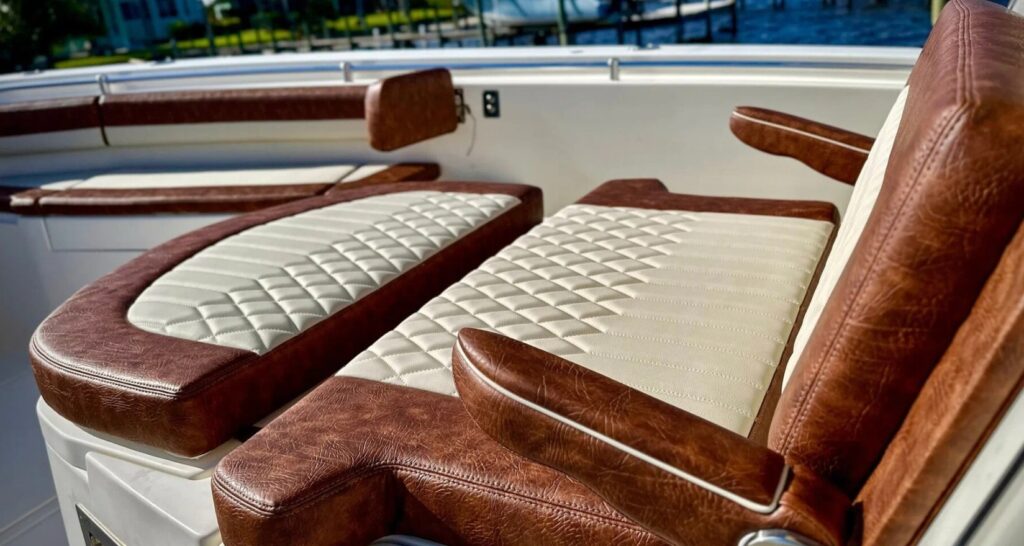
Owners can use the opportunity to create a more modern look. Color, texture, stitching, and decorative details can all change the atmosphere of a cockpit or cabin.
Popular choices include:
- Two-tone marine vinyl
- Contrasting stitching
- Decorative piping
- Textured upholstery
- Custom embroidery
- Coordinated cushions
The goal should be a design that looks distinctive while remaining practical for everyday boating.
Think About How Much Sun the Seats Receive
Sun exposure can vary significantly across a vessel.
Helm seats and open cockpit cushions may receive direct sunlight for several hours, while seating inside a cabin may remain protected. Materials should reflect these differences.
Areas exposed to strong UV radiation may benefit from materials with enhanced UV resistance. Covers can also reduce direct exposure when the boat is not being used.
Protecting high-exposure areas can help an upholstery boat seat retain its color and flexibility for longer.
Make Maintenance Part of the Plan
Even the best marine materials require regular care.
Salt, sunscreen, dirt, and moisture can accumulate during normal boating. Cleaning these contaminants soon after a trip can reduce buildup and make the seating easier to maintain.
A practical routine includes:
- Wiping seats after every outing
- Removing salt residue
- Drying wet cushions
- Cleaning spills promptly
- Inspecting seams
- Using marine-safe cleaning products
Regular maintenance can extend the life of an upholstery boat seat and help preserve its original appearance.
Proper Storage Can Prevent Unnecessary Damage
The way a boat spends its time between trips can affect the interior as much as regular use.
When possible, owners should protect seating from direct sunlight and rain during storage. A properly fitted cover can reduce exposure, while adequate ventilation helps prevent moisture from becoming trapped.
Wet cushions should dry completely before extended storage. Otherwise, moisture may remain inside the foam and create unpleasant odors or contribute to mildew.
Repair or Replace? Consider the Full Picture
Small defects do not always require a complete restoration.
A limited tear, loose seam, or localized area of fading may only need targeted repair. However, widespread cracking, severely compressed foam, and repeated seam failures may indicate that a complete upholstery boat seat restoration offers better long-term value.
Considering the condition of the entire seating system can help owners avoid spending repeatedly on temporary fixes.
A Refreshed Interior Can Change an Older Boat
A vessel does not necessarily need to be new to feel modern.
If the hull and mechanical systems remain in good condition, refreshing the interior can dramatically change the overall experience. New seating can make an older boat feel cleaner, more comfortable, and better suited to current needs.
An upholstery boat seat upgrade can also preserve the familiar layout and features that owners already appreciate.
Conclusion
Boat seating combines comfort, design, and practical protection in one of the most heavily used areas of a vessel. Because marine conditions can be demanding, restoration requires more than simply choosing an attractive covering.
A well-planned upholstery boat seat project considers the condition of the foam, the quality of marine materials, the boat’s exposure to sunlight, and the owner’s maintenance routine. With the right approach, updated seating can provide better comfort and durability while giving the entire interior a fresh appearance.